IB World School · Escazú 

Fees are converted at approximate rates. The school confirms the final amount.
In short: UWC Costa Rica is a private, secular, co-ed international school in Santa Ana, Costa Rica. It offers Montessori Model United Nations (MMUN) and the IB. Stages: high school (ages 16–19). Taught in Spanish and English. 200 students.
 IB World School
 Montessori MUN
Fees on request
The school shares its fees, enrolment and extras on request.
All students follow the two-year International Baccalaureate Diploma Programme, with courses offered in English and Spanish so that students can obtain a bilingual IB Diploma. The published course list covers English A and Spanish A, self-taught literature, English, Spanish and French B, ab initio languages, Psychology, Economics, Anthropology, Global Politics, History, two Mathematics courses, Chemistry, Biology, Physics, Environmental Systems and Societies, Visual Arts and Theatre. Students also complete the IB core, including 240 hours of Creativity, Activity and Service.
The college offers only the last two years of secondary school, leading to the International Baccalaureate Diploma. Students usually join at around 16 for the first IB year and graduate after the second year at 18 or 19. There are no primary or lower secondary sections. Admission is through UWC National Committees, including a Costa Rican committee, or through the UWC Global Selection Programme.
The college's mission is to develop in young people the passion and ability to serve humanity and the planet, learning from nature and from each other throughout their lives. It shares the wider UWC mission of using education to unite people, nations and cultures for peace and a sustainable future. Its stated values are empathy, reciprocity and accountability, and it places sustainability at the centre of the curriculum, campus operations and the design of its new campus.
English and Spanish are both languages of instruction, and courses are offered in both so that students can graduate with a bilingual IB Diploma. Students take literature in English or Spanish, or follow a self-taught literature course in their own language, and can study English, Spanish or French as an acquired language or begin a new language at ab initio level. Living in Costa Rica, students are expected to adapt to the local context and communicate in Spanish, mostly as a second language, and a student-led Mandarin activity is also offered.
Santa Ana centro, 400 m norte de la esquina noreste de la iglesia, San José 10901, San Jose, Costa Rica
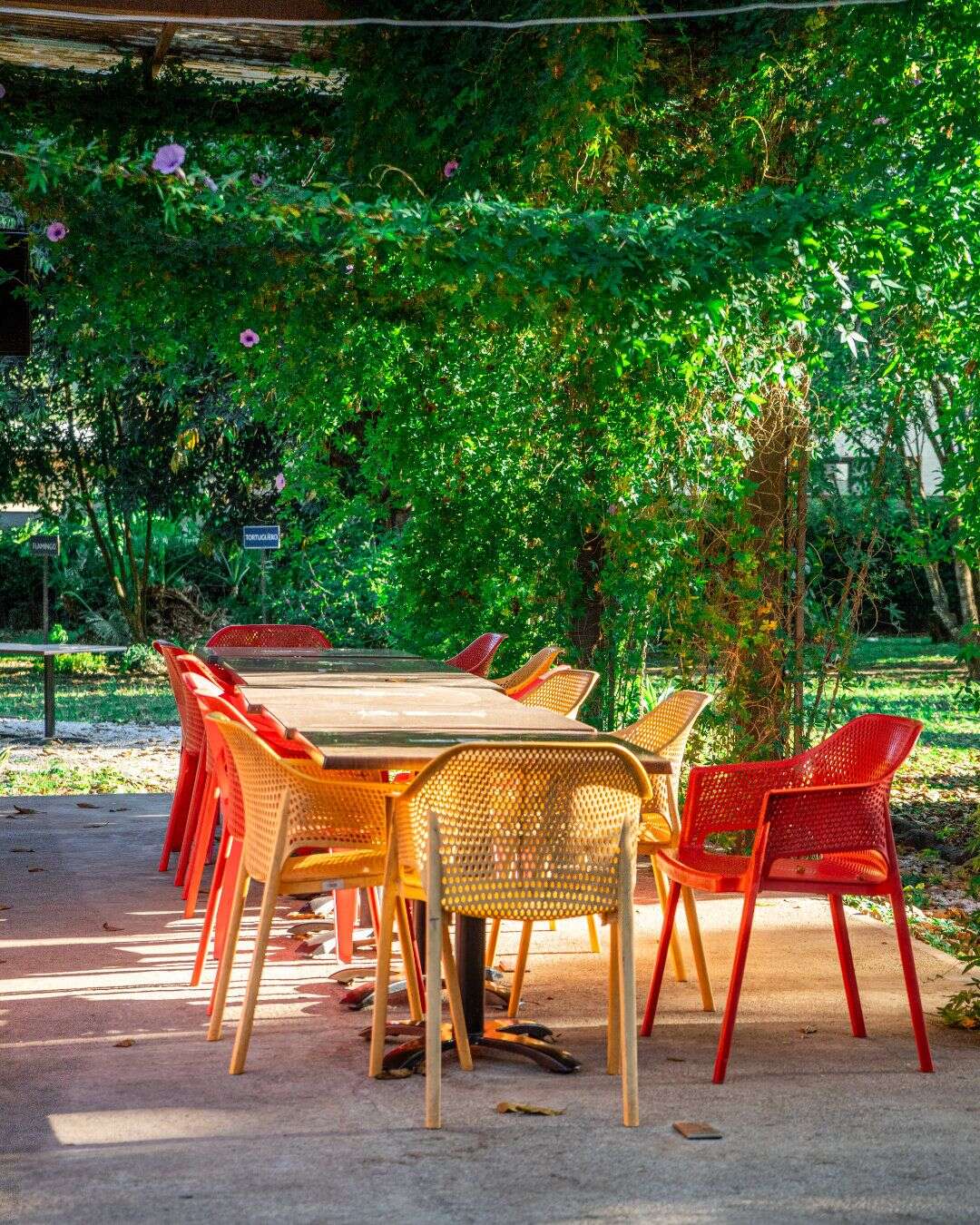
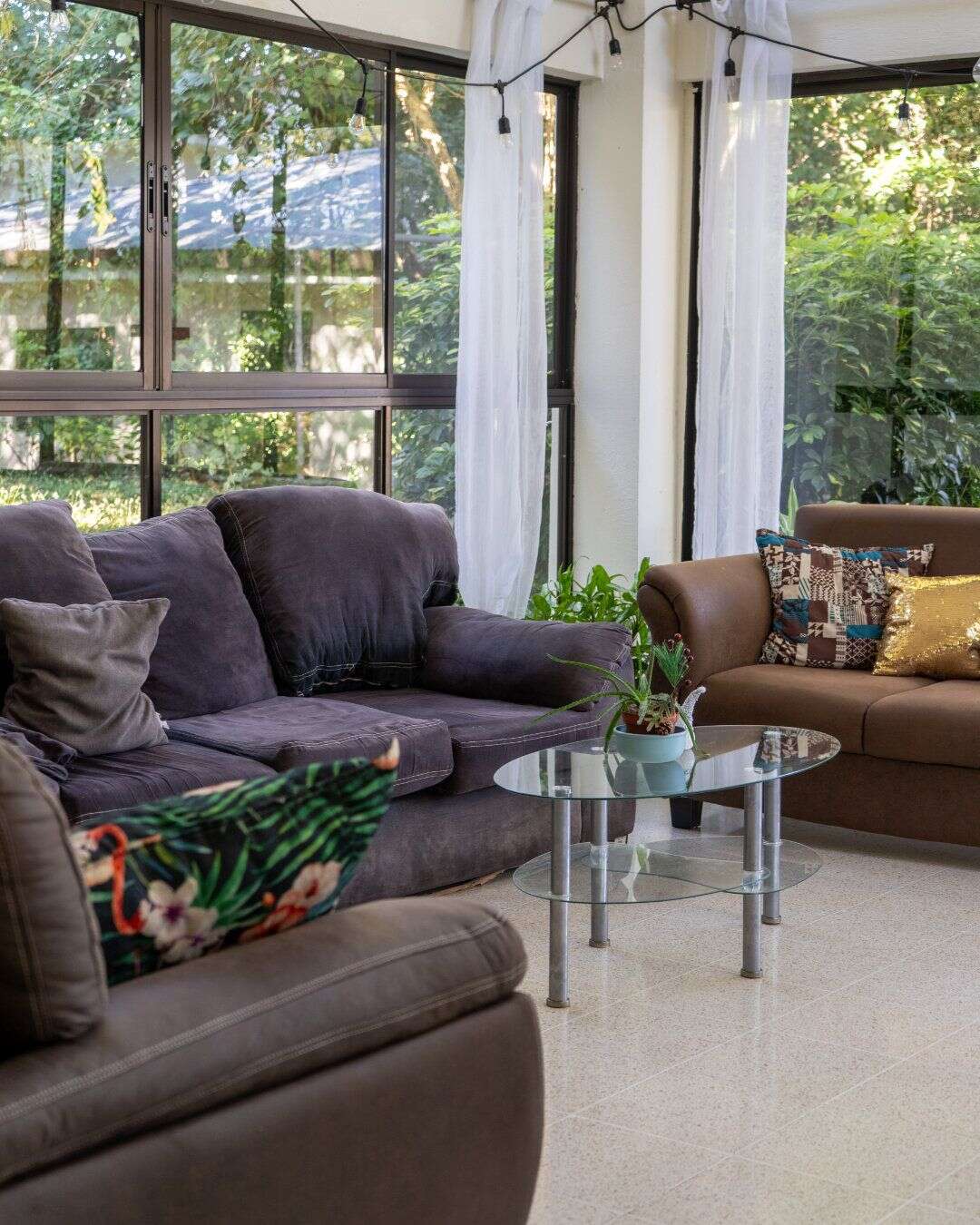
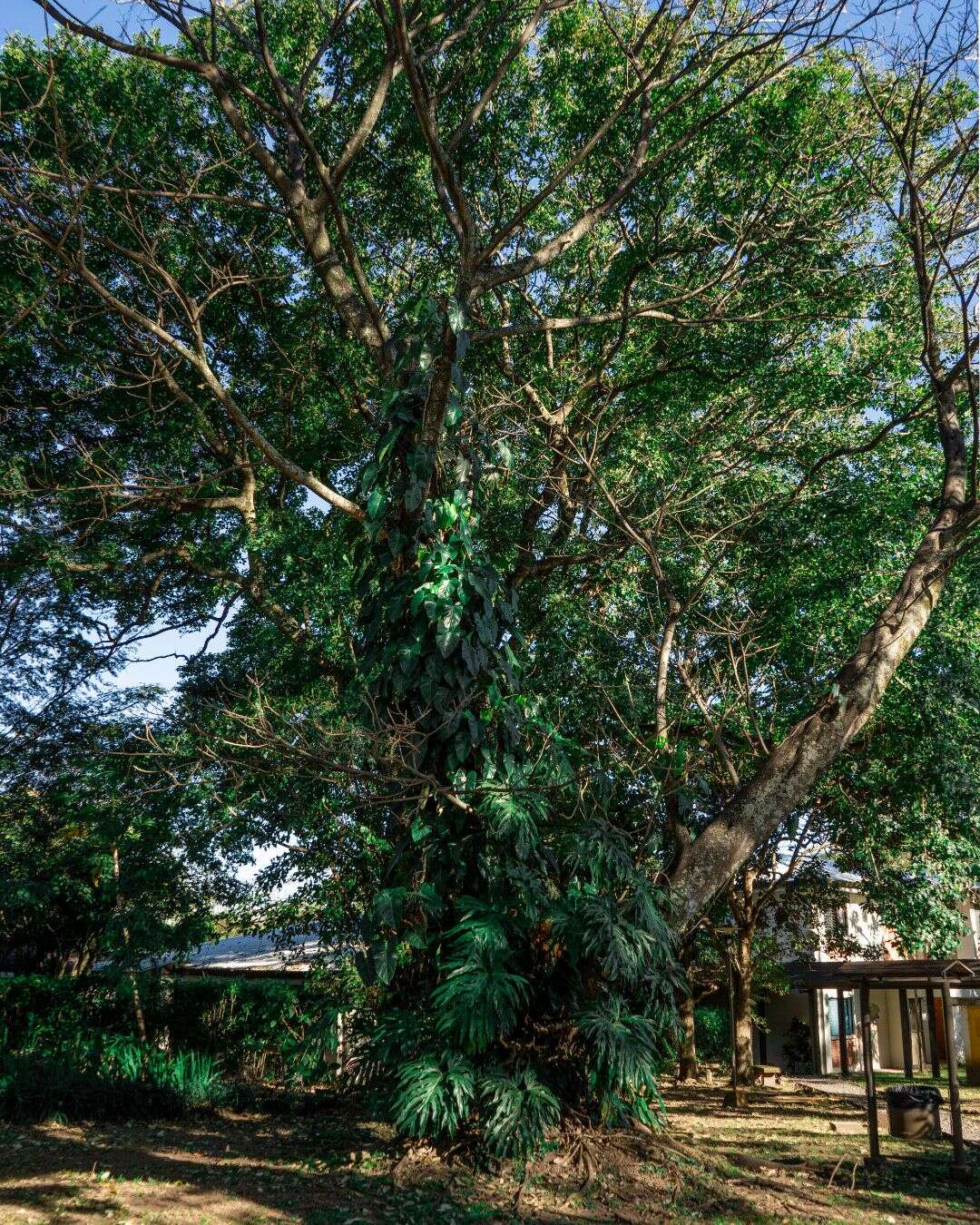
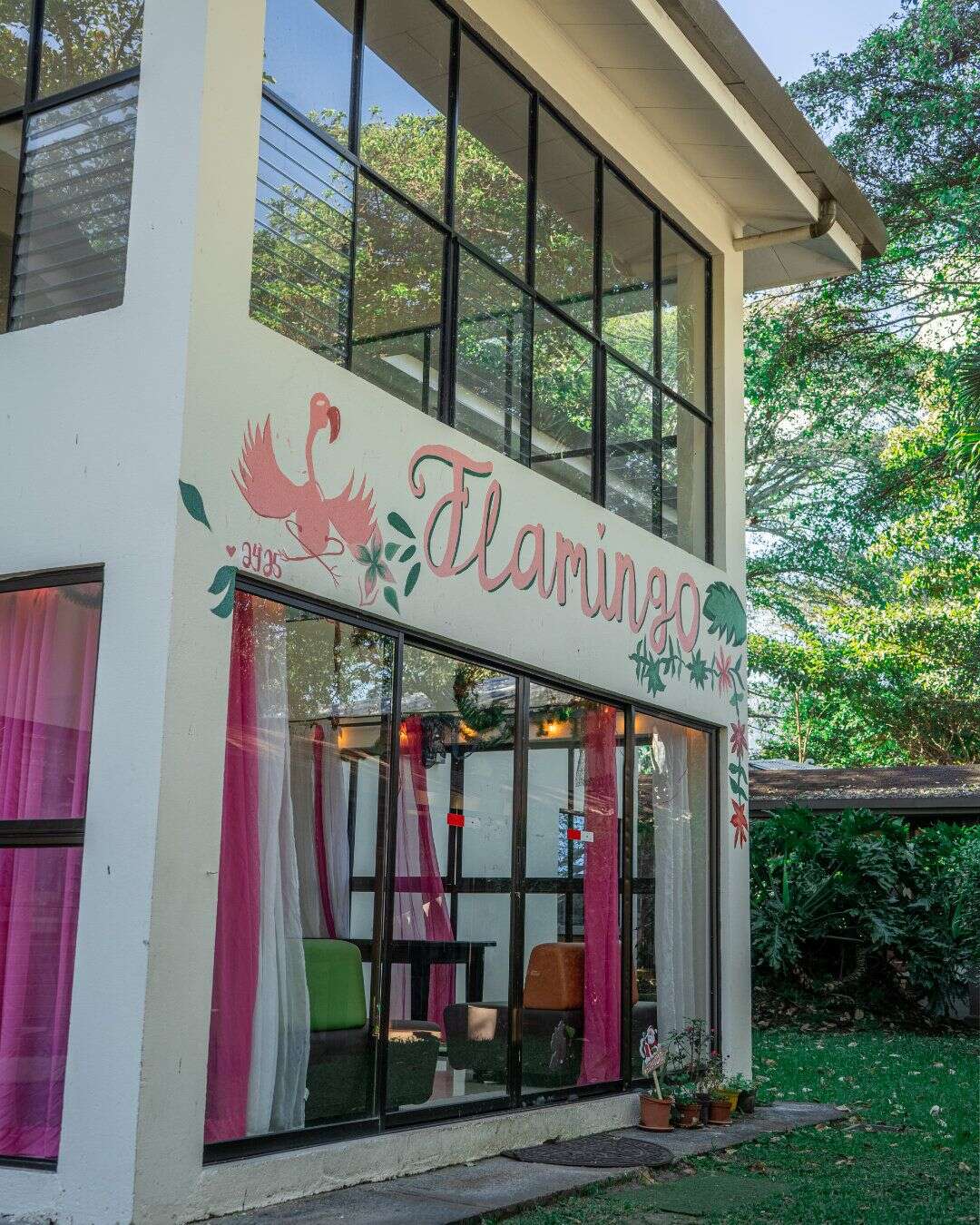
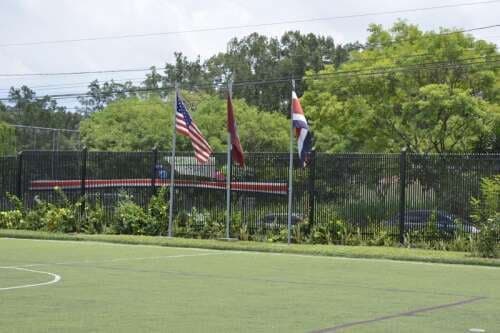
The current campus is in the centre of Santa Ana and is surrounded by trees and gardens. It has eight student residences, each with bedrooms, bathrooms, a common area and a fully equipped kitchen, as well as classrooms, a library that doubles as a meeting hall, a social centre, an open-air amphitheatre with a stage, a basketball court and a large football field. From 2027 the college will move to a new campus in San Isidro de Heredia, planned with a main building containing a library, cafeteria and maker space, an academic block with 19 classrooms, five laboratories and music and art rooms, a sports centre, a clinic and walking trails in a nature reserve.
Student welfare is supported by a residential life and wellness team that includes daytime, night-time and residence coordinators, along with healthcare professionals, wellness specialists and psychologists who carry out routine check-ins with every student. A medical team works with local insurers and hospitals when further care is needed, and the college has a safeguarding policy. A university counselling programme provides individual guidance on applications and scholarships, including access to the Davis UWC Scholars Program. Most students receive financial aid, and an educational access programme helps students from vulnerable backgrounds.
UWC Costa Rica is fully residential. Every student lives in one of eight residences named after Costa Rican beaches, each with its own community and traditions dating back to 2006. Residences are gendered or mixed, rooms are shared with students from other countries, and each building has a coordinator who lives on campus. Residence assistants and student leaders support daily life, and the programme includes excursions, camps, movie nights, community dinners, meditation, sports tournaments and other activities.
Afternoons are dedicated to Creativity, Activity and Service, and students propose and lead many of the activities themselves, so the list changes from year to year. Recent options include football, basketball, volleyball, tennis, swimming, yoga, self-defence, Latin, Afro and Asian dance, film production, coding, debate, Model United Nations, Mandarin, baking, pottery, crochet, a student radio, peer tutoring, a greenhouse and environmental education. Community Action Week takes students to more than a dozen off-campus projects, the college hosts a Model UN conference for Costa Rican schools, and student-led thematic weeks explore different cultures and identities.
No reviews yet.

Montessori Model United Nations (MMUN) and International Baccalaureate.
Lessons are taught in Spanish and English. It also teaches French.
Press Enquire: your message goes to its admissions team, free.
Your details go only to this school.