
Developing life skills at home and school: how international education prepares children for the future
 St. George Barcelona · 3 min read
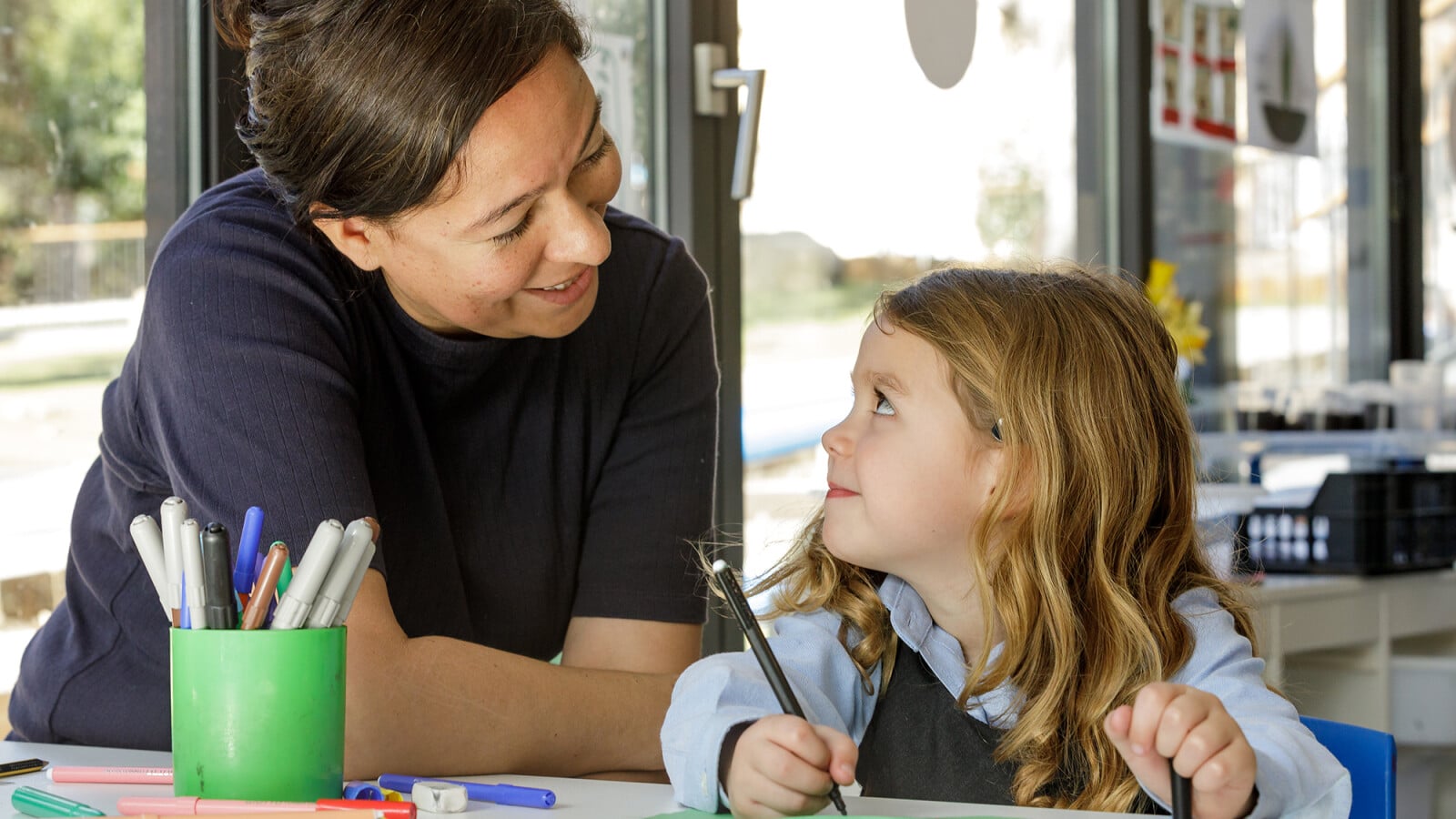
Academic knowledge is only one part of a child's education. Discover why life skills such as resilience, critical thinking, adaptability and communication are essential for future success, and how schools and families can work together to develop them.
Why are life skills important in today's education?
In an increasingly interconnected and rapidly changing world, preparing children for the future means equipping them with more than academic knowledge.
International organisations such as the OECD and the European Commission have highlighted the growing importance of essential life competencies, including critical thinking, problem-solving, resilience, adaptability and effective communication.
These skills help young people navigate challenges, make informed decisions, build positive relationships and respond confidently to unfamiliar situations.
For families choosing an international school, understanding how these competencies are integrated into everyday learning can be just as important as evaluating academic results and curriculum options.
Learning beyond the classroom
Life skills are not developed exclusively through formal lessons. They emerge through everyday experiences, interactions and opportunities to take responsibility.
Schools play an important role in creating environments where students can practise these competencies through collaborative projects, classroom discussions, independent learning and extracurricular activities.
However, their development does not stop when the school day ends. The home environment provides equally valuable opportunities to reinforce what children learn at school.
Simple everyday experiences can make a meaningful difference:
Encouraging critical thinking: Having open conversations, asking questions and allowing children to express and justify their opinions.
Developing decision-making: Giving children opportunities to make age-appropriate choices and understand the consequences of their decisions.
Building independence: Encouraging responsibility through everyday tasks and personal commitments.
Strengthening resilience: Helping children recognise their emotions, manage setbacks and understand that mistakes are part of learning.
Promoting empathy: Encouraging children to consider different perspectives, respect others and develop positive relationships.
These small but consistent experiences help children develop confidence and become more independent and resourceful individuals.
The role of families in developing life competencies
Parents and carers are essential partners in the development of life skills. The values, attitudes and behaviours children experience at home have a lasting influence on how they approach challenges and interact with others.
Rather than providing immediate solutions to every difficulty, families can encourage children to think independently, explore different possibilities and learn from their experiences.
For example, allowing children to take responsibility for small tasks, encouraging them to resolve everyday disagreements and discussing different perspectives can help strengthen their communication, problem-solving and emotional awareness.
Consistency between home and school is particularly valuable. When children encounter similar expectations and encouragement in both environments, they are more likely to apply these competencies naturally in different situations.
How international schools support life skills development
International schools are particularly well positioned to foster these competencies through multicultural learning environments and educational approaches that encourage collaboration, independence and global awareness.
At St. George Barcelona, part of the global International Schools Partnership (ISP) network, life competencies form an important part of the educational approach.
The school's philosophy recognises that preparing students for the future involves developing not only what they know, but also how they think, communicate, relate to others and make decisions.
Through everyday learning experiences, students are encouraged to become curious, reflective and independent learners, while developing the confidence to contribute positively to their communities.
Being part of ISP also connects St. George Barcelona to a wider international educational community, where the development of life competencies is an important part of preparing students for an increasingly complex and global society.
A shared responsibility: School and home working together
The development of life skills is most effective when schools and families work in partnership.
Open communication between teachers and parents helps create a consistent support system, allowing children to practise and strengthen the competencies they develop throughout their education.
This shared commitment also reinforces an important message: learning is not limited to academic subjects or


